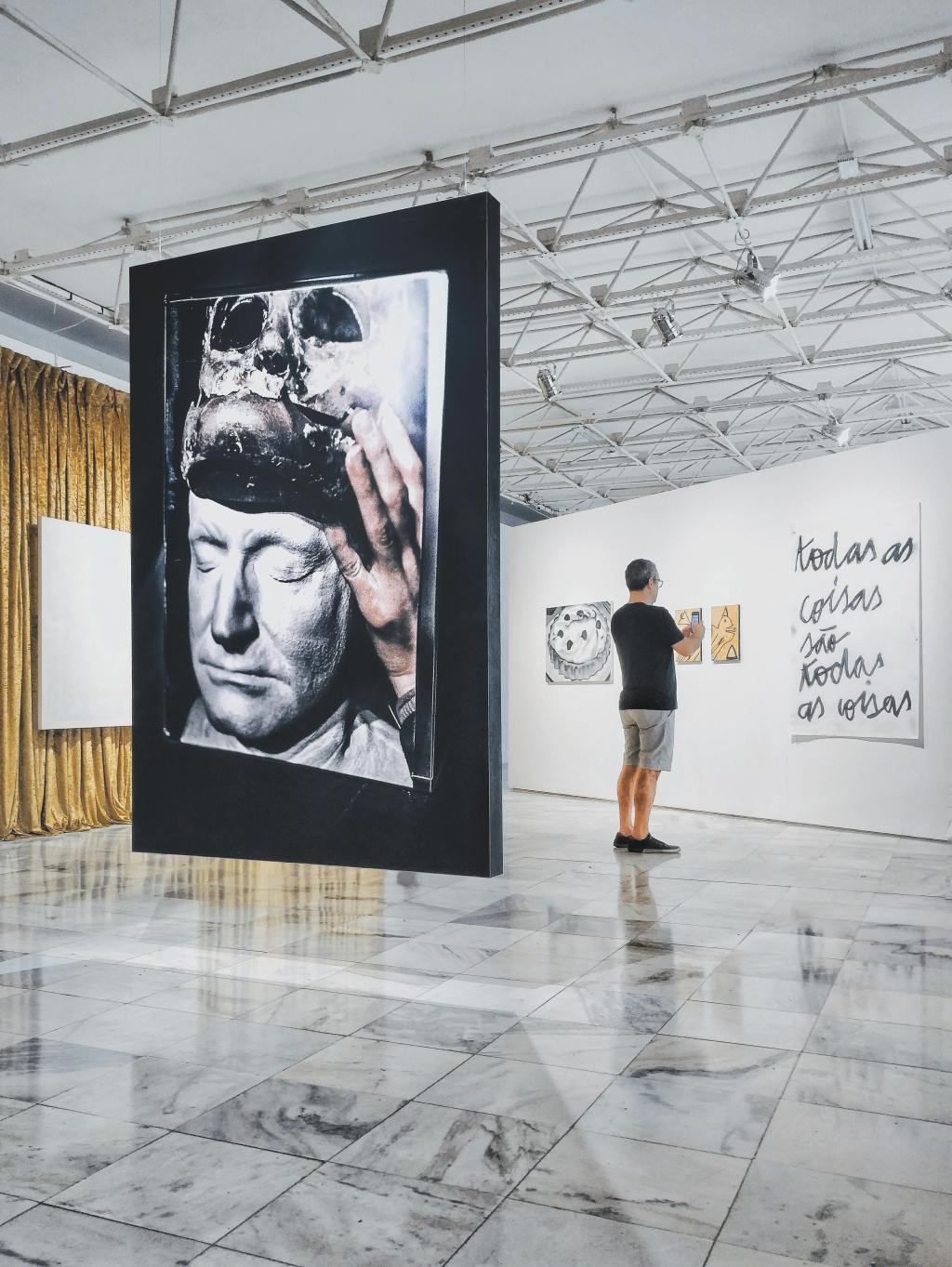
When famous art dealer Arne Glimcher opened his first gallery in Boston decades ago, the art world looked different—less digital, less globalized, but no less fierce. Still, the fundamentals of running a successful gallery haven’t changed much. If you’re a young entrepreneur ready to step into the world of art dealing (especially in a retail space) know this: you’re not just opening a store. You’re creating a cultural crucible, a beacon for collectors, critics and creatives alike.
As someone seriously considering opening an art gallery / retail space, here’s what I’ve found though many hours of research about starting and sustaining a gallery business.
Location Is More Than Foot Traffic
You’re thinking retail, so yes, visibility matters. But a great location isn’t just about being on a buzzy street or near a popular coffee shop. You need a space that feels intentional—part sanctuary, part stage. It should support the art, not compete with it.
Don’t overpay for trendy neighborhoods unless you can afford to wait out the dry spells. Some of the most revered galleries started in modest, even industrial spaces. What matters is the vision and consistency inside.
The Space Is the Frame—Design Accordingly
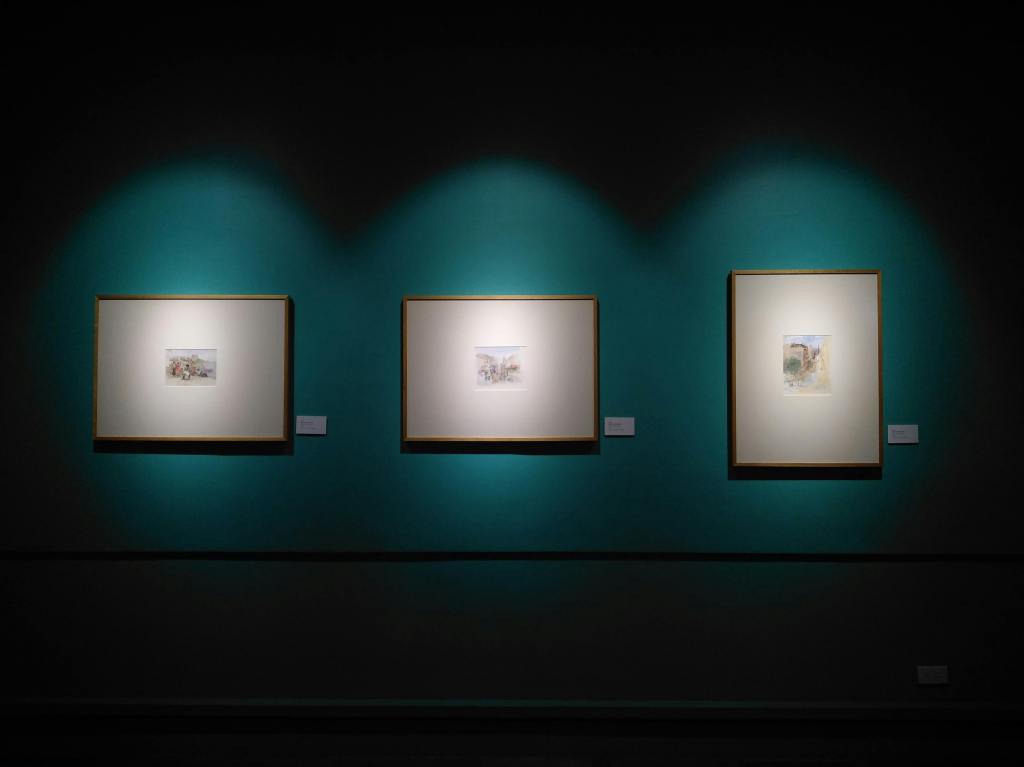
Your retail space is your canvas. Everything (walls, lighting, sight lines, even the sound) needs to support the art. Learn to curate not just exhibitions, but environments. Every square foot must justify its existence, both artistically and financially.
Invest early in a flexible hanging system, quality lighting and a climate-controlled backroom. Yes, you’ll need a backroom. That’s where deals happen, trust is built and your business quietly grows.
Build an Artist Roster You Can Stand Behind
You’re not a store; you’re a platform. Early on you won’t land the heavyweights. But you can champion emerging artists with a compelling voice. Look for consistency in their work, seriousness in their practice and a story worth telling.
Don’t fall into the trap of showing what you think will sell. Show what you believe in. Then sell it! Credibility in the art world comes from vision, not volume.
Learn to Sell Without Selling Out
Yes, you’re in retail, but you’re not pushing shoes. You’re matchmaking art with people’s lives. That means understanding your clients: what they collect, what moves them, what they don’t yet know they want.
Be honest. Be patient. If a piece doesn’t fit a collector’s home or collection, say so. The sale you lose today may become the relationship that sustains you tomorrow.
Curate Experience, Not Just Exhibitions
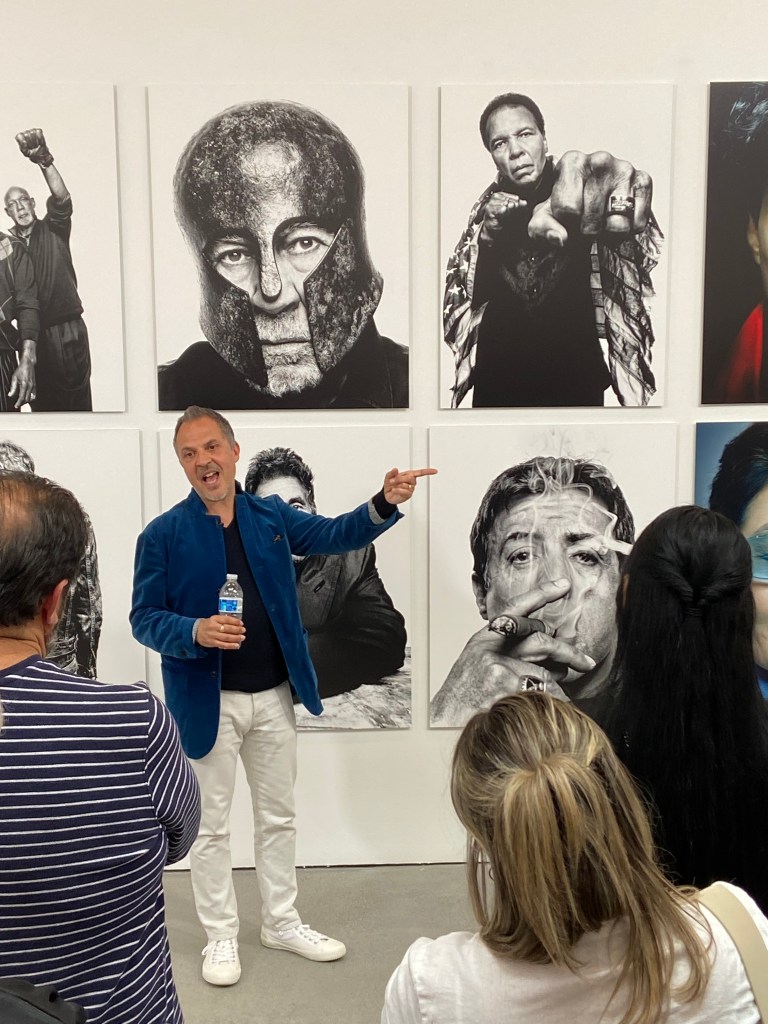
Think beyond the opening night crowd. How does someone feel walking into your gallery on a Tuesday afternoon? Are they greeted, engaged, educated? Have printed materials ready. Offer context. Follow up.
Every visitor is a potential patron or ambassador. The gallery should feel like a living dialogue, not a silent showroom.
Know the Business—Or Find Someone Who Does
Too many passionate gallerists go broke because they don’t learn the business side. This includes consignment agreements, insurance, invoicing, artist splits, taxes and inventory management. Learn the basics or partner with someone who can keep your books while you keep your eye on the art.
Set clear policies. Pay your artists on time. Track what’s sold, where and to whom. Trust is the currency of the art world; don’t squander it on poor organization.

Think Long-Term, But Hustle Daily
You’re building a legacy, not just flipping paintings. Develop a program, whether that be seasonal shows, solo exhibitions, group themes and/or perhaps even residencies. Stay consistent. Stay visible.
At the same time, be ready to hustle. Make studio visits, attend fairs, follow up with collectors. Your first few years will be lean, uncertain and full of grit. But if your eye is sharp, your ethics are clear and your spirit is steady, the market will come to you.
In Closing
Running a gallery in a retail space is like performing a high-wire act: everyone’s watching, and you’re balancing aesthetics, commerce and community. Plus, you will inevitably crash, burn and fall on your ass a few times, but that’s normal for any new business owner. The success stories are those who stick to it. REMEMBER THIS: It must be a passion. It CANNOT be about making a bunch of money, because there’s a 99% change you won’t. Arne Glimcher said he is in the art business because of his “passion for art and passion for being in the company of artists.” That should be your motivation, and if done right, it’s one of the most rewarding callings there is.
Be bold. Be generous. Champion the work that matters, and the world will eventually take notice.


 The Post Gallery
Leave a comment